
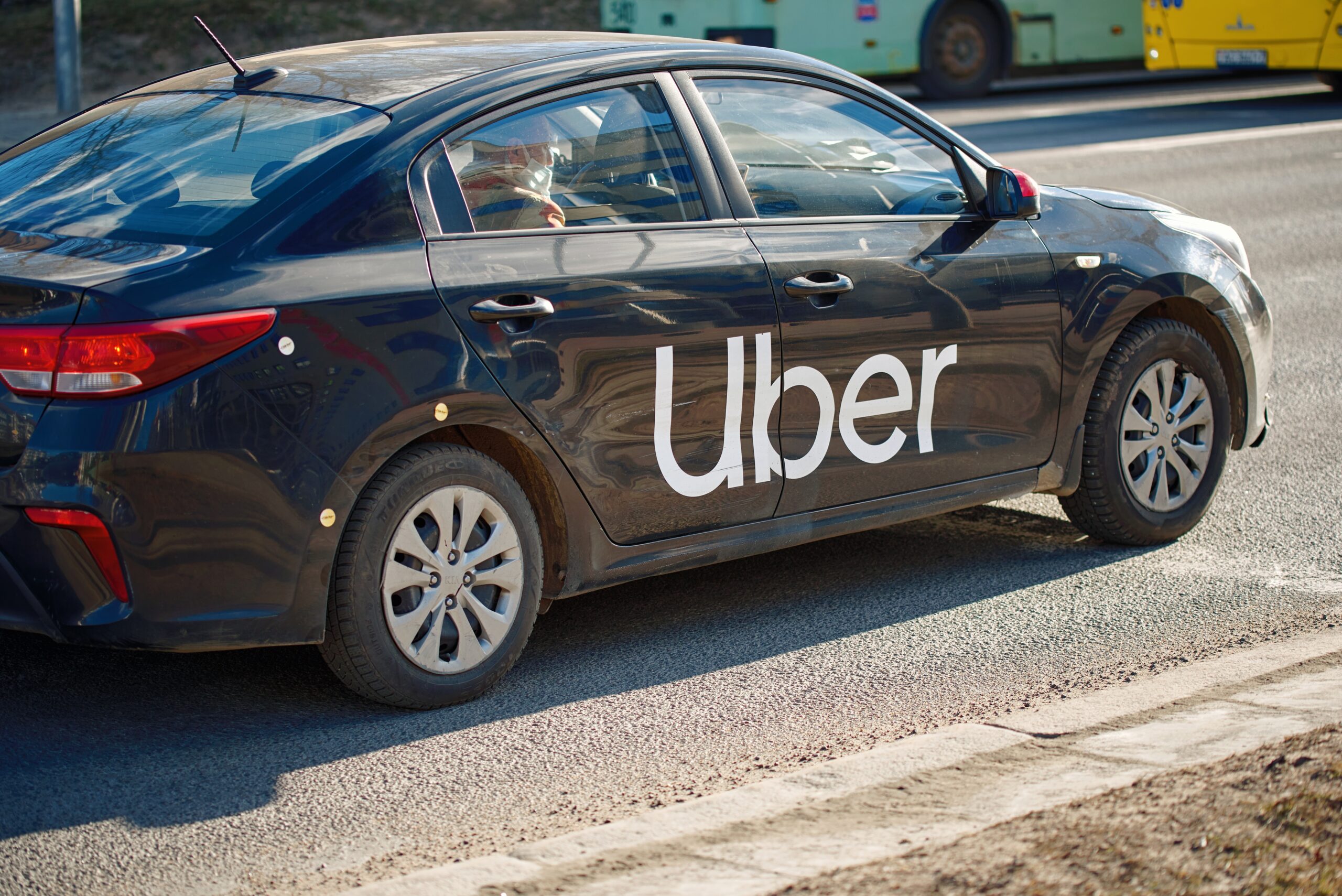
If you’re searching for a used car for sale because you’re ready to start driving for Uber, Lyft, DoorDash, or Amazon Flex, you already know the stakes are higher than a typical car purchase. This isn’t just about finding something that gets you from A to B. It’s about finding a vehicle that can handle thousands of miles a year, keep fuel costs manageable, hold up under daily wear, and actually qualify for the platform you want to drive on.
In Dallas, that search comes with its own set of challenges. The metro area is sprawling, traffic can be unpredictable, and summer heat puts real stress on a vehicle’s cooling system and interior. The good news is that Dallas Lease Returns, located at 14335 Inwood Rd, carries a deep inventory of off-lease vehicles that are a strong match for gig economy drivers. Lease returns are worth a closer look here because these vehicles were typically driven by someone under a manufacturer’s maintenance schedule, returned after two to three years, and inspected before going back to market. For a driver putting serious mileage on a car for income, that starting point matters.
Here’s a look at what to focus on and which makes and models from the current inventory make the most sense for rideshare and delivery work.
What Should You Look for in a Used Car for Rideshare or Delivery?
Before getting into specific models, it helps to understand what separates a good gig economy vehicle from one that will cost you money over time. Platform requirements vary, but the common thread across Uber, Lyft, and most delivery apps is that the vehicle needs to be relatively recent (typically 2010 or newer, though Uber XL and premium tiers have stricter cutoffs), in good working condition, and able to pass a vehicle inspection.
Beyond platform minimums, drivers who do this full-time tend to prioritize fuel economy for delivery and compact city driving, interior space and passenger comfort for rideshare, reliability over high miles, and low cost of ownership rather than just low sticker price.
Lease returns check a lot of those boxes because they tend to be lower mileage for their age and come from a known service history. You’re not inheriting someone else’s deferred maintenance. That’s a meaningful advantage when you’re planning to put another 30,000 to 50,000 miles on a car in the first year of gig driving.
Is a Used Honda CR-V a Good Car for Delivery Driving?
Best for High-MPG City and Suburban Delivery
- Typical mileage range from current inventory: low to mid-60s
- Strong fuel economy in both gas and hybrid configurations
- Compact crossover footprint that’s easy to maneuver and park
- Cargo space that handles delivery bags, coolers, and multiple orders at once
The Honda CR-V is one of the most practical choices available for delivery drivers, and it’s a model that shows up consistently in Dallas Lease Returns’ inventory. For DoorDash, Instacart, Amazon Flex, or any delivery platform where you’re making frequent stops, the CR-V hits the right combination of fuel efficiency, cargo room, and long-term reliability.
Honda’s reputation for low cost of ownership over high mileage is well established, and the CR-V specifically has a track record that holds up under the kind of stop-and-go, city-and-suburb driving that delivery work demands. The hybrid version of the CR-V takes the fuel savings even further, which becomes significant when you’re calculating your actual take-home after gas costs are factored in.
The 2020 and 2024 model years currently in inventory give you a range of price points to work with. A 2020 with mileage in the mid-60s is going to be priced lower upfront, while a 2024 with under 40,000 miles gives you more runway before major service intervals hit. For delivery driving specifically, either works. The 2024 is the stronger play if you want to minimize near-term maintenance surprises.
The CR-V’s interior is also worth mentioning for multi-platform drivers. If you’re doing delivery during the day and want the option to pick up Uber or Lyft trips in the evenings, the rear seat space is comfortable enough for passengers. You get flexibility without having to choose a vehicle optimized for only one use case.
Is a Used Toyota RAV4 Worth Buying for Gig Economy Driving?
Best for All-Around Rideshare and Delivery Versatility
- Multiple trim levels at different price points
- Hybrid and standard gas powertrains available
- Strong resale value if you eventually exit gig driving
- Well-documented reliability across high-mileage ownership
The Toyota RAV4 is arguably the most well-rounded used car for sale if you want one vehicle that handles rideshare and delivery without compromise. Dallas Lease Returns currently carries one of the widest selections of RAV4 inventory on the lot, spanning multiple years, trims, and both standard and hybrid powertrains.
For rideshare specifically, the RAV4 checks a key box that compact sedans miss: rear passenger headroom and legroom that makes backseat passengers actually comfortable on longer trips. Dallas rides between suburbs like Plano, Frisco, or Arlington and the airport or downtown are not short. Passengers notice the difference between a cramped back seat and one where they can sit comfortably for 30 to 45 minutes.
What Makes the RAV4 Hybrid a Strong Choice for High-Volume Drivers?
The RAV4 Hybrid deserves its own mention because the math on fuel costs changes significantly at high annual mileage. A driver putting 40,000 miles a year on a vehicle in a city like Dallas is spending a substantial amount on fuel. The hybrid powertrain’s efficiency in city and suburban driving, which is exactly the stop-and-go pattern that gig work creates, can translate to meaningful savings every month.
The hybrid trims in current inventory, including the RAV4 Hybrid SE and RAV4 Hybrid Limited, represent good lease return value because the hybrid system was covered under Toyota’s factory warranty during the lease period. You’re getting a powertrain that’s been maintained and inspected, not one that’s been neglected.
For drivers who want to eventually transition out of gig economy work, the RAV4 also holds its resale value better than most competitors. That’s not the primary reason to buy one, but it matters if you’re thinking about total cost of ownership over a two to three year period.
Is a Used Honda Odyssey a Good Vehicle for Uber XL?
Best for Uber XL and Group Rideshare
- Seating for up to eight passengers in most configurations
- Sliding rear doors for easier boarding and exiting in urban settings
- Strong passenger comfort features across EX-L and Touring trims
- Low-floor entry that works well for passengers with mobility considerations
If Uber XL is your target, the Honda Odyssey is the most direct path to qualifying and getting it right. Uber XL requires a vehicle that seats six or more passengers, and the Odyssey delivers that in a package that’s easier to drive daily than a full-size SUV.
The sliding door configuration is a real practical advantage in urban driving. In a city with narrow parking lanes and tight drop-off situations like downtown Dallas or areas like Deep Ellum, a sliding door eliminates the risk of a door swinging into adjacent vehicles or oncoming traffic. Passengers load and exit faster, which directly affects your rating and your trips-per-hour.
Dallas Lease Returns has Odyssey inventory spanning 2021 through 2024, which means you have access to recent enough model years to qualify for Uber XL’s vehicle age requirements. The EX-L and Touring trims currently available are particularly well-suited for XL work because the interior materials and features make the ride experience noticeably better for passengers, which translates to better ratings.
How Does the Odyssey Compare to a Large SUV for Uber XL?
This is a question worth addressing directly. A full-size SUV like a Tahoe or Suburban can also qualify for Uber XL, but the operating costs are considerably higher. Fuel economy for a large V8 SUV in city driving is going to land in the 14 to 17 MPG range under real conditions. The Odyssey typically achieves 22 to 28 MPG in mixed driving. Over 40,000 miles of gig work, that gap adds up to thousands of dollars.
The Odyssey also has a lower purchase price relative to a comparable full-size SUV, and insurance costs are generally lower for a minivan than for a premium SUV. For drivers who are evaluating gig driving as a business, the Odyssey offers the strongest return on investment among vehicles that qualify for XL platforms.
The one area where the Odyssey doesn’t match a large SUV is in perceived luxury. If you’re building toward Uber Black or a premium rideshare tier, the Odyssey isn’t the vehicle for that path. But for Uber XL volume driving, it’s the smarter financial choice.
Why Buy a Lease Return for Gig Economy Driving Specifically?
This question comes up often, and it’s worth a straightforward answer. Lease returns are a particularly good fit for gig drivers for a few specific reasons.
First, the service history is cleaner. Lease agreements typically require drivers to maintain the vehicle according to the manufacturer’s schedule, and dealerships verify this at turn-in. You’re starting with a vehicle that’s been cared for, not one where you’re guessing what the previous owner skipped.
Second, the mileage-to-age ratio is often favorable. A three-year-old lease return might have 30,000 to 50,000 miles, leaving you with significant useful life before major components typically need attention. Compare that to a private-sale used vehicle of the same age that might have 80,000 to 90,000 miles, and the value calculation shifts.
Third, Dallas Lease Returns specializes in exactly this segment. The inventory is curated, the vehicles have gone through inspection, and the selection at any given time reflects a wide range of makes, models, and price points. For a gig driver who needs to make a practical, financially sound purchase decision rather than an aspirational one, that’s the right environment to shop in.
What Is the Most Reliable Used Car to Buy for Driving Uber XL or DoorDash?
If the goal is a single recommendation that covers both use cases, the Toyota RAV4 is the most versatile answer for mixed rideshare and delivery work. It qualifies for standard rideshare tiers, it carries cargo well, the rear seating is comfortable for passengers, and the hybrid powertrain makes high-mileage ownership more cost-effective.
For drivers focused exclusively on Uber XL and willing to optimize around that platform, the Honda Odyssey is the stronger choice. Lower operating costs than a full-size SUV, better mileage per gallon, and a passenger experience that earns strong ratings.
For delivery-only drivers, the Honda CR-V hits the target. Maneuverable, fuel-efficient, practical cargo space, and a reliability record that holds up under the daily demands of delivery work in a large metro like Dallas.
All three of these models are regularly represented in the current inventory at Dallas Lease Returns. The advantage of shopping a lease return specialist is that you can find recent model years with lower mileage and known service histories, which matters more for gig economy vehicles than almost any other purchase context.
Ready to Find a Used Car for Sale in Dallas for Your Gig Work?
Dallas Lease Returns at 14335 Inwood Rd carries a rotating inventory of off-lease vehicles across all three of the models covered here and many others. If you’re planning to drive for Uber, Lyft, DoorDash, or any delivery platform, visit the lot or browse the inventory online at dallasleasereturns.com to see what’s currently available.
The right vehicle for gig driving isn’t just about what you can afford today. It’s about what will hold up over the next 40,000 or 50,000 miles and still leave you with margin at the end of the week. A well-chosen lease return gives you the best shot at that from day one.