
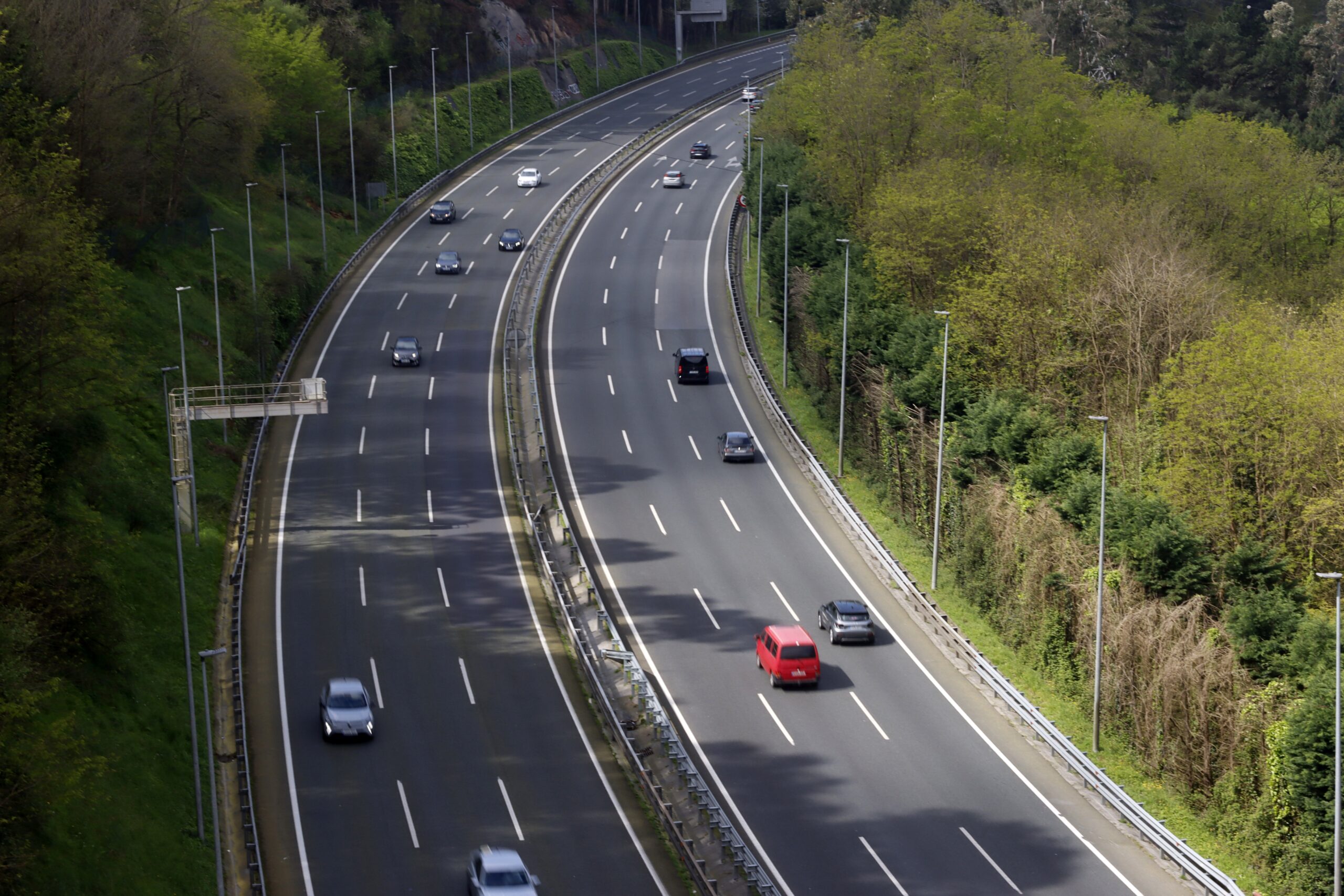
If you drive for a living or spend a meaningful chunk of your day behind the wheel, you already know that not all commutes are created equal. A 30-mile stretch down I-35E is a fundamentally different experience on your car than 10 miles through downtown Dallas traffic. When you’re shopping for used cars, those differences matter a lot more than most buyers realize. The car that’s perfect for a highway commuter can wear out twice as fast in stop-and-go conditions, and vice versa.
At Dallas Lease Returns, we see this play out constantly across our inventory of off-lease vehicles. These are cars that were driven under specific, documented conditions, and understanding the nature of those miles can help you make a much smarter buying decision. Whether you’re eyeing something like a Honda Accord, a Toyota Camry, or a Nissan Altima, the commuter question should be front and center before you sign anything.
What Actually Happens to a Car During a Highway Commute?
Highway driving is, mechanically speaking, about as easy as it gets for a car. You get up to speed, the engine settles into a steady RPM, the transmission locks into a high gear and largely stays there, and the brakes barely touch the rotors for miles at a time. Everything runs at consistent temperatures, and the cooling system works efficiently. Oil circulation stays even. It’s almost relaxing, from the engine’s perspective.
What highway miles do accumulate is wear on tires and suspension components. At 70-plus miles per hour, tires are spinning thousands of times per mile, and even a minor road imperfection sends vibration through the suspension. On Texas interstates specifically, the expansion joints and road seams add up over time. But this kind of wear is predictable and shows up on inspection. It’s not the silent, hidden wear that city driving produces.
The bigger thing to watch on a highway-heavy commuter car is rubber. Belts, hoses, and seals age on a calendar basis, not strictly a mileage basis. A 2018 vehicle with 40,000 miles might have rubber components that are seven or eight years old. The coolant hoses, serpentine belt, and brake lines don’t care that the car was babied on the highway. They age from heat cycles, UV exposure, and time.
Does Highway Mileage Really Age a Car Less?
Yes, in most mechanical respects. Engine wear is significantly lower per mile on the highway because the oil film stays intact at sustained RPMs, and the engine isn’t constantly cold-starting and warming up. Transmission wear is minimal. Brake wear is minimal. A car with 80,000 mostly highway miles often has less engine wear than one with 40,000 mostly city miles. That’s not speculation; it’s consistent with how internal combustion engines accumulate wear.
What Does City Driving Actually Do to a Used Car?
City driving is a stress test that never ends. Every traffic light is a stop-and-start cycle. Every stop means the brakes absorb kinetic energy and convert it to heat. Every cold engine start burns through oil faster than a warm, steady-state engine would. The transmission shifts constantly, especially in older automatics. In a hybrid, the regenerative braking system works overtime, though that’s actually a net positive for brake life in those vehicles.
In Dallas specifically, summer stop-and-go traffic is a cooling system workout. An engine idling in 100-degree heat with the A/C running near maximum load is working significantly harder than one cruising at 65 mph. Radiators, coolant, and A/C compressors all take more abuse in city conditions.
Tires also wear differently in city use. Frequent turning, acceleration from a standstill, and braking at low speeds scrub rubber off the front tires faster than highway miles do. City-driven cars tend to show more uneven tire wear, which can point to suspension or alignment issues that have developed over time.
What Parts Wear Out Faster in City Driving?
Brake pads and rotors are the most obvious. A city commuter might replace brakes twice as often as a highway commuter at the same mileage. Transmission fluid degrades faster under constant gear changes and heat cycles. Clutch packs in automatic transmissions, the torque converter, and the starter motor all take more wear. The A/C compressor, as mentioned, works much harder. Shocks and struts absorb more impact at lower speeds than they do on smooth highway surfaces.
The Big Question: Should You Buy a 2018 Car with 40k Miles or a 2022 Car with 90k Miles?
This is probably the most common dilemma used car buyers face right now, and there’s no universal answer. But there is a framework that makes the decision a lot clearer.
Here’s a side-by-side comparison of the two scenarios:
| Factor | Low Mileage / Older | High Mileage / Newer |
| Engine wear | Lower mileage = less wear, but depends on drive type | Higher mileage, but highway miles are gentler on internals |
| Rubber components | Higher risk: belts, hoses, seals are 6-8 years old | Lower age risk; rubber is newer and more supple |
| Technology & safety features | May lack modern driver assists, infotainment | Newer platforms: lane keep, adaptive cruise, CarPlay |
| Brake wear | Depends on drive type; could be very low | If city miles, brakes may be heavily worn |
| Transmission health | Lower cycle count, but aging fluid/seals | More shifts accumulated; fluid condition critical |
| Tire condition | Age matters; tires degrade after 5-6 years even unused | Likely newer tires or recently replaced |
| Value trajectory | Slower depreciation from here | Already absorbed significant depreciation |
| Warranty proximity | Likely past powertrain coverage | May still be within extended or CPO window |
| A/C & cooling system | More thermal cycles over more years | Fewer years of heat exposure |
| Overall risk profile | Hidden age-related issues in rubber/seals | More transparent wear; easier to inspect |
The short answer for highway commuters: the 2022 with 90k miles is often the better buy, assuming those miles are predominantly highway miles. For city commuters logging daily stop-and-go miles in Dallas, the 2018 with 40k miles may serve you better over the long run because you’re about to put a lot of hard city miles on whatever you buy.
Which Used Cars at Dallas Lease Returns Are Best for Highway Commuters?
Is the Toyota Camry a Good Car for Highway Commuting?
The Camry is probably the most thoroughly validated highway commuter ever made. Its 2.5-liter four-cylinder is engineered to run smoothly at sustained highway RPMs, and it gets substantially better fuel economy at highway speeds than it does in city traffic. The cabin is genuinely quiet at highway speeds, which matters a lot if you’re covering 40-plus miles each way. A newer Camry with higher highway miles is a well-understood quantity. These engines are nearly bulletproof in sustained operation, and the depreciation from that mileage works in your favor at the negotiating table.
For a highway commuter, a Camry with 60,000-80,000 predominantly highway miles is often a smarter buy than an older, low-mileage version of the same car. The rubber components are younger, the safety tech is more current, and the remaining useful life is long.
Is the Honda Accord a Good City Commuter Car?
The Accord is a strong pick for city driving specifically because of its chassis tuning and transmission quality. Honda’s Earth Dreams engine family, which powers most Accords from 2018 onward, is designed for efficient operation across varied driving cycles, not just highway cruising. The CVT (or 10-speed automatic in the Sport) handles frequent gear changes without the degradation you’d see in some competitors.
The Accord’s brakes also tend to hold up better in city use than you’d expect at the class price. Dallas Lease Returns carries Honda Accord Sport models in the 2022 range. For a city commuter, the Accord is the kind of car that takes stop-and-go conditions without complaining, and because they were frequently leased by corporate and daily commuters, the lease return examples you’ll find tend to have well-documented service histories.
One thing to check on any city-driven Accord: the front brake pads and rotor condition. If it’s been driven hard in traffic, those components absorb a lot. A pre-purchase inspection will tell you immediately what’s left.
What About the Nissan Altima for Commuters?
The Altima sits in interesting territory for commuters. It’s a bit more driver-focused than the Camry, with a suspension tune that’s slightly firmer, which pays off on highway driving. The 2.5-liter base engine is fuel-efficient on the highway, and the cabin is spacious enough for daily long hauls without fatigue.
Dallas Lease Returns carries Nissan Altima inventory including 2021 and 2023 models. The Altima’s CVT has a better reputation in the more recent generations than it did in years past, though it’s still worth checking fluid condition and service history on any higher-mileage example. For highway commuters, the Altima is a solid, value-forward choice. For city commuters, it’s acceptable but not the standout pick at this price range.
How Do You Know If a Used Car Has Highway or City Miles?
This is where lease returns have a real advantage. Off-lease vehicles often come with service records and, in many cases, documented use history. A car that was leased by a sales rep covering a regional territory has a very different mile profile than one that shuttled kids around a dense suburb.
A few things to look for during inspection: brake pad thickness, rotor condition, and transmission fluid color are the biggest tells for city versus highway use. Uneven tire wear can indicate frequent low-speed turning. A carbon buildup check on the intake valves (common on direct-injection engines) can reveal lots of cold, short-cycle driving. None of these are disqualifying, but they help you understand what you’re buying.
What Is the Right Mileage Range for a Used Commuter Car?
There’s no magic number, but here’s a practical framework for Dallas commuters. If you drive primarily highway miles and plan to keep the car four or five more years, a 2021 or 2022 model with 60,000 to 90,000 highway miles is often a better value than a 2018 or 2019 with 30,000 to 40,000 city miles. The newer car has more life in its rubber, more current safety technology, and the depreciation has already done its heaviest work.
If you drive primarily city miles, lower mileage matters more because you’re going to accumulate hard miles faster. Starting with a lower-mileage car gives you more runway before the brakes, transmission, and A/C systems need serious attention.
In either case, a pre-purchase inspection by an independent mechanic is worth every dollar. A $100 to $150 inspection has saved buyers from far more expensive surprises.
Why Lease Returns Are Worth a Serious Look for Commuters
Lease returns occupy a specific and often underappreciated corner of the used car market. Because lessees are contractually required to keep mileage within a set range and typically maintain service schedules to avoid end-of-lease fees, the cars coming back off lease tend to be better maintained on average than private-party used cars of the same age. That doesn’t mean every lease return is perfect, but it does mean the odds are in your favor.
Dallas Lease Returns specializes in exactly this segment. The inventory spans a wide range of makes, models, and mileage profiles, which means you can actually find both the “low mileage older car” and the “higher mileage newer car” on the same lot and compare them side by side.
If you’re commuting in the Dallas metro area, that selection matters. The right car for a I-635 highway run is genuinely different from the right car for a daily Oak Cliff to Uptown crawl.
FAQ: Used Cars for Commuters
Q: Are highway miles really better than city miles for a used car?
A: In most mechanical respects, yes. Highway miles are gentler on the engine, transmission, and brakes. However, older cars with low highway miles can still have age-related wear in rubber components like belts, hoses, and seals.
Q: What should I look for when buying a used commuter car with high mileage?
A: Focus on brake condition, transmission fluid health, tire wear patterns, and service history. A pre-purchase inspection is the most reliable way to assess a high-mileage vehicle before you commit.
Q: Is a 2022 Camry with 90k miles a good buy?
A: It depends on where those miles came from. If they’re predominantly highway miles with consistent oil changes, a 2022 Camry at 90k is often a very sound buy, and you’ll pay significantly less than for a comparable lower-mileage example.
Q: How long do lease return cars typically last?
A: Off-lease vehicles that have been well maintained can easily run another 100,000 miles or more with regular service. The Camry, Accord, and Altima are all engineered for high-mileage longevity when maintained properly.
Q: Does stop-and-go traffic really wear out a car faster?
A: Yes. The constant acceleration, braking, and gear changes in city traffic accelerate wear on brakes, the transmission, the starter, and the cooling system. City-driven cars at the same odometer reading as highway cars typically show more wear on these components.