
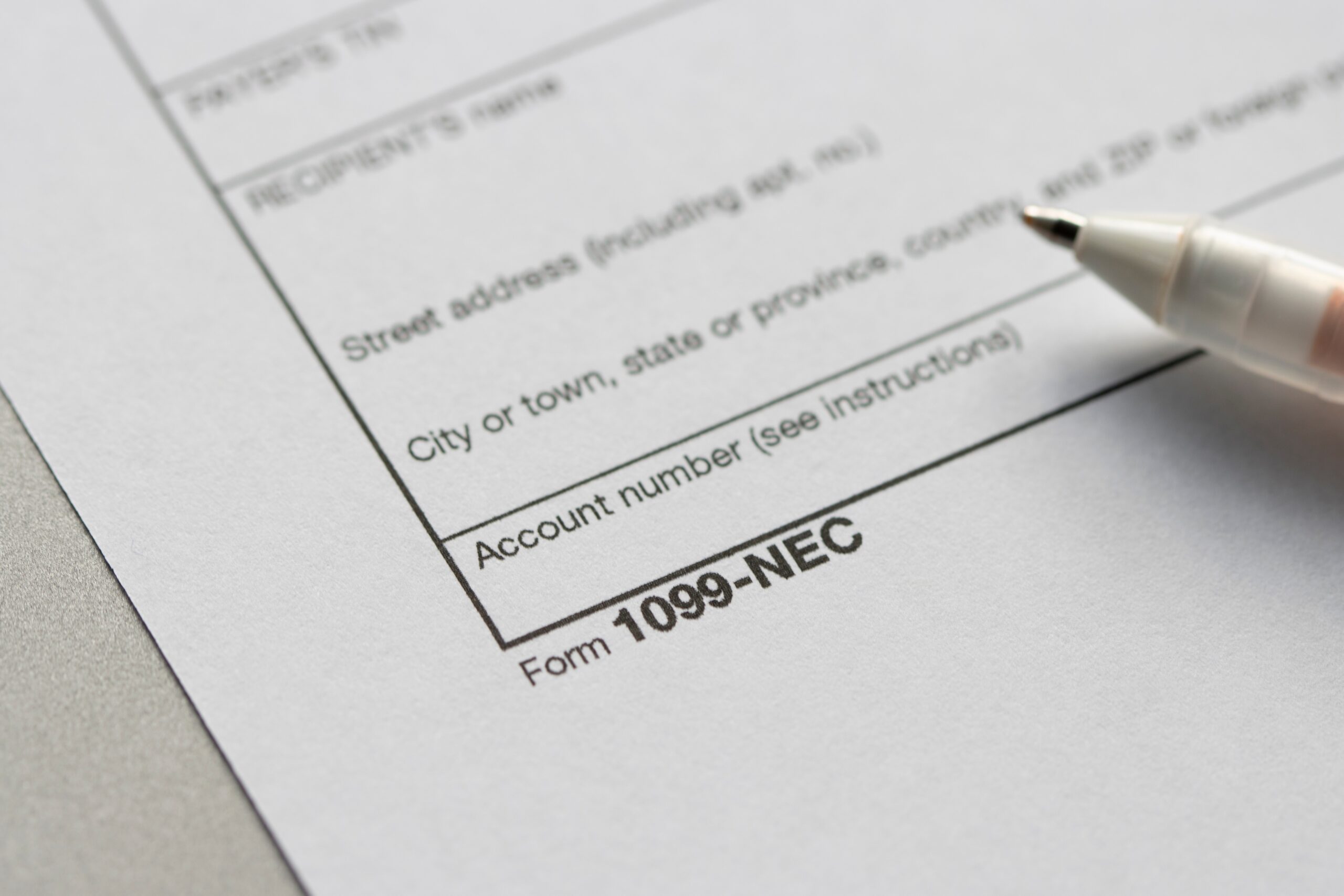
If you work for yourself, you already know that most systems were built with a traditional W-2 employee in mind. Vehicle financing is no different. Walk into the wrong dealership without a pay stub in hand, and you might leave feeling like lenders view your income as a question mark instead of a real number. The good news is that vehicle financing is absolutely within reach for freelancers, independent contractors, and 1099 workers. You just need to know what to bring to the table and what to expect along the way.
Documents Needed for Self-Employed Car Loans
Before a lender can approve your loan, they need to verify your income. Since you don’t have an employer cutting your checks, you’ll document your earnings a different way. Here’s what most lenders will ask for:
- 2 years of federal tax returns (1040s, including all schedules)
- 2 years of 1099 forms from clients or platforms
- 3 to 6 months of personal and business bank statements
- A current profit and loss statement (especially if your income has grown recently)
- Proof of identity and residency (driver’s license, utility bill, or lease agreement)
- Your credit score and history (pulled directly by the lender)
Having these ready before you start shopping speeds up the process significantly and signals to lenders that you’re a serious, organized borrower.
Why Is Vehicle Financing Different for Freelancers?
Lenders aren’t trying to make your life harder. They’re trying to predict risk. When someone has a W-2, a lender can see a consistent paycheck, an employer’s name, and a reliable income pattern. With freelance income, that picture is less linear, but it’s not less legitimate.
The core challenge is that freelance income tends to fluctuate. A great month doesn’t always follow a great month. Lenders know this, so they look at a longer window of your financial history, typically two years, to get a fair average of what you actually earn. They want to see that your income is real, recurring, and stable enough to support monthly payments.
The other factor lenders pay attention to is your debt-to-income ratio. This is simply a comparison of how much you owe versus how much you earn. Keeping that ratio manageable makes a real difference in your approval odds and in the interest rate you’re offered.
Does Your Credit Score Matter More If You’re Self-Employed?
Your credit score matters for anyone applying for vehicle financing, but for freelancers, it carries a little extra weight. Because your income documentation is more complex than a W-2, a strong credit score helps reassure lenders that you manage financial obligations well over time. That said, a perfect credit score is not a requirement. Many lenders and credit unions work with borrowers across a range of credit profiles. If your score has room to grow, it’s worth taking a few months to pay down balances and clear up any errors on your report before applying.
Even if your credit is in a rough patch right now, don’t assume the door is closed. A larger down payment can offset a lower score by reducing the lender’s exposure. It shows skin in the game, and lenders respond to that.
How Does a Lender Calculate Your Income as a Freelancer?
This is where a lot of first-time self-employed borrowers get surprised. Lenders don’t look at your gross revenue. They look at your net income, meaning what’s left after business expenses are deducted on your tax return.
If your returns show a lower net income because you’ve been aggressive with deductions, that can affect how much vehicle financing you qualify for. There’s no trick to get around this other than being strategic about your tax filings in the years before a major purchase, or working with a lender who also considers your bank statement deposits alongside your returns.
Some lenders, particularly non-traditional or portfolio lenders, will use a bank statement loan approach. They average your monthly deposits over 12 to 24 months and use that number to qualify you. This can be a strong option if your actual cash flow is healthy but your taxable income looks modest on paper.
Should You Apply Through a Bank, Credit Union, or the Dealership?
All three paths can work, and the right one depends on your situation.
Your personal bank or credit union already has a relationship with you. They can see your account history firsthand and may be more flexible with how they interpret your income documentation. If you’ve banked with the same institution for years and have a solid track record there, that relationship can work in your favor. Traditional banks, particularly larger ones, tend to have stricter guidelines and less room for exceptions. If you don’t fit the standard mold, you may hit walls you wouldn’t encounter elsewhere. Dealership financing works through a network of lending partners. A lease return center like Dallas Lease Returns has access to multiple lenders at once, which means they can shop your application and find a lender whose criteria align with your financial profile. Dallas Lease Returns also has options for good credit financing and bad credit financing. That’s a meaningful advantage when your income documentation doesn’t look like a textbook W-2 situation.
Why Buy a Lease Return If You’re Self-Employed?
This is a question worth asking. Lease returns tend to be lower-mileage, late-model vehicles that come back to the lot after two to three years. For a freelancer who is thinking carefully about budget and total cost of ownership, that profile is genuinely appealing. You get a newer vehicle without the new car price tag. Maintenance needs are typically lower in the first few years of ownership, which matters when you’re managing variable income. And because the vehicle has a clear history, it’s often easier to research and evaluate before you buy. At Dallas Lease Returns, the inventory comes from off-lease vehicles, which means you’re shopping from a focused selection of cars that were well-maintained under lease terms. If you’re trying to make a financially sound decision while navigating a more complex approval process, starting with a vehicle that has a clean track record makes the whole equation simpler.
What Can You Do Right Now to Strengthen Your Application?
Start by pulling your credit report and reviewing it for errors. Inaccuracies are more common than people expect, and disputing them before you apply can bump your score meaningfully.
Next, gather your documentation before you walk through any door. Two years of tax returns, recent bank statements, and a profit and loss statement should all be in hand. If you work with a bookkeeper or accountant, ask them to generate an updated P&L for you. It takes them minutes and adds real credibility to your application.
Think about your down payment. Even if you can technically qualify with a small down, a larger upfront contribution lowers your monthly payment, reduces your total interest paid, and makes your application more attractive. Aim for 10 to 20 percent if your cash reserves allow it.
Finally, avoid applying for other forms of credit in the months leading up to your vehicle purchase. Multiple hard inquiries in a short window can ding your credit score and send mixed signals to lenders about your financial stability.
Can You Get Approved for Vehicle Financing With Only One Year of Self-Employment?
This is a common situation, especially for people who made the leap from traditional employment to freelancing recently. Most lenders prefer two years of self-employment history because it gives them enough data to see your income pattern. With only one year, your options narrow, but they don’t disappear.
Some lenders will work with one year of self-employment if your previous employment was in the same field and your income held steady or improved. A strong down payment and an excellent credit score also help bridge the gap when your history is shorter than the standard window.
If you’re in this situation, be upfront about your work history when you talk to a financing team. The more context you can provide, the easier it is for a lender to make a case for approving your application.
Ready to Start the Conversation?
Freelancers and 1099 workers finance vehicles every day. The process takes a bit more preparation than a standard W-2 application, but it’s not out of reach. If you walk in with the right documentation, a realistic sense of your budget, and an understanding of how lenders evaluate your income, you’re already ahead of most buyers.
Dallas Lease Returns works with a range of lenders and is familiar with the realities of self-employed income. Whether you’re a long-time contractor, a recent convert to full-time freelance, or somewhere in between, the team is here to help you find a path that works. Browse the current inventory online or stop by to talk through your options in person.