
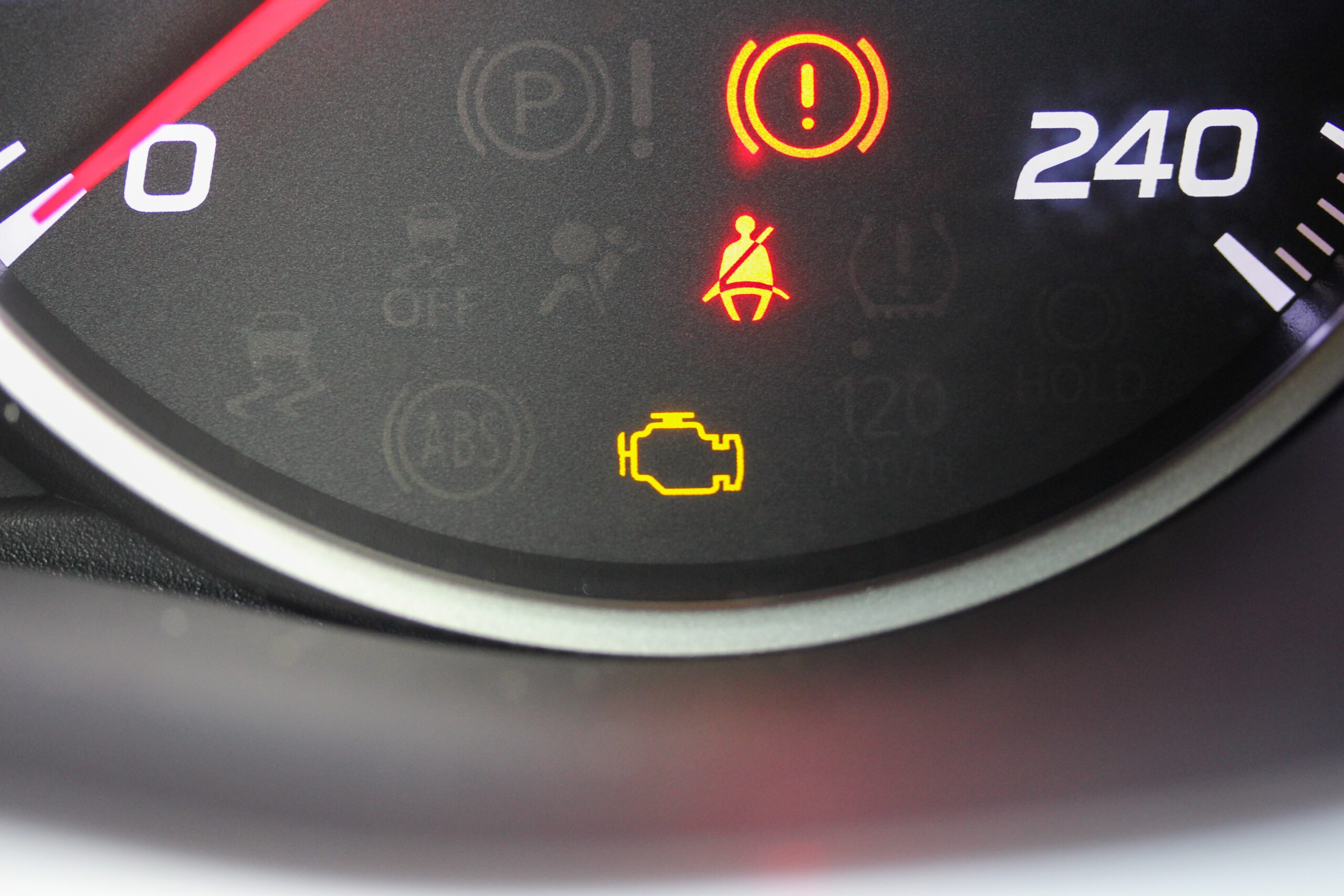
Cruising down the Dallas North Tollway becomes stressful the moment a glowing icon appears on your instrument cluster. At Dallas Lease Returns, we want every driver to feel empowered by the information their car provides. Modern vehicles use these symbols to communicate vital health updates in real time. Knowing the difference between a minor maintenance reminder and a critical mechanical emergency keeps you safe and protects your investment. Use this guide to decode the most common symbols you might see while navigating the Metroplex.
The Red Oil Pressure Light
The glowing red oil can represents one of the most serious warnings your car can issue. This icon indicates that your engine has lost the necessary pressure to circulate oil through its moving parts. Metal-on-metal contact causes catastrophic damage within seconds of this light appearing. Pull over to a safe spot in a parking lot or on a wide shoulder immediately and turn off the ignition. Call for a tow to our service partners to avoid a complete engine replacement.
The Engine Temperature Warning
A red thermometer icon floating over waves means your coolant temperature has reached a dangerous level. Dallas summers put immense strain on cooling systems, and an overheating engine can warp the cylinder head or blow a gasket. Stop driving the moment this light glows to allow the engine to cool down naturally. Avoid opening the radiator cap while the system remains hot to prevent serious burns. Regular cooling system flushes at a professional Dallas shop prevent this scary light from ruining your afternoon.
The Infamous Check Engine Light
The yellow or orange engine silhouette serves as a general alert that the onboard computer detects a malfunction. This light covers a massive range of issues, from a loose gas cap to a failing catalytic converter. A steady yellow light means you can continue your drive to your destination, but you must schedule a diagnostic test quickly. A flashing Check Engine light indicates a severe engine misfire that can destroy your exhaust system. Treat a blinking light with the same urgency as a red warning and seek professional help right away.
The Battery and Charging System Icon
Seeing a red battery symbol means your car is currently running solely on stored electrical power. The alternator has stopped recharging the battery, or a drive belt has snapped under the hood. You have a very limited amount of time before the car loses all electrical function, including your headlights and power steering. Turn off the radio and air conditioning to preserve every bit of remaining energy as you head toward a repair facility. This light proves that your electrical system needs immediate mechanical intervention. Pull over safely and call roadside assistance.
The Brake System Alert
A red circle with an exclamation point or the word “BRAKE” appears when your fluid levels are low or the parking brake remains engaged. Verify that your handbrake is fully released before assuming there is a mechanical fault. If the light stays on while you drive, your stopping power might be severely compromised. Test the firmness of the pedal and find a safe place to stop if the car feels difficult to slow down. Maintaining high brake fluid levels ensures this vital safety system remains responsive during sudden stops on I-35.
Tire Pressure Monitoring System (TPMS)
The yellow horseshoe icon with an exclamation point tells you that at least one tire has fallen below the recommended pressure. Temperature swings in North Texas frequently trigger this light as the air inside your tires expands and contracts. Check your pressures at a local gas station and fill them to the levels listed on your driver-side door jamb. Consistent tire pressure improves your fuel economy and ensures your tread wears evenly over thousands of miles. This light serves as a helpful reminder to maintain the only part of your car that touches the pavement.
FAQ: Dallas Driver Dashboard Concerns
Why did my dashboard lights flash briefly when I started the car?
Every icon illuminates during the initial ignition sequence as a functional bulb test. This brief light show allows the computer to verify that every warning system is ready to operate. You only need to take action if a light stays on after the engine is running. If an icon fails to light up during this start-up phase, the bulb itself might be burnt out and require replacement.
Can I drive with a yellow warning light on the highway?
A yellow or orange light indicates a non-emergency fault that allows for continued travel to a safe destination. You should avoid heavy acceleration or towing while a yellow light remains active on your dash. Schedule an appointment at a Dallas service center as soon as possible to identify the root cause. Ignoring a yellow light often leads to more expensive repairs or the eventual appearance of a red emergency light.
What should I do if multiple red lights appear at once?
Multiple red lights often signal a major electrical failure or the loss of a serpentine belt that powers several systems. This situation requires an immediate stop in a safe location to prevent further damage to the engine or steering. Continuing to drive with multiple red warnings risks a total vehicle shutdown in the middle of traffic. Call for roadside assistance to ensure your car reaches a technician without causing additional mechanical stress.
How do I reset a warning light after fixing the problem?
Most modern vehicles automatically turn off the warning light once the computer detects that the fault is no longer present. Some systems require a specific drive cycle or a handheld diagnostic tool to clear the code from the memory. Our team can help you verify that a repair was successful and reset your dashboard display. Properly clearing these codes ensures your car is ready to monitor for any future issues accurately.