
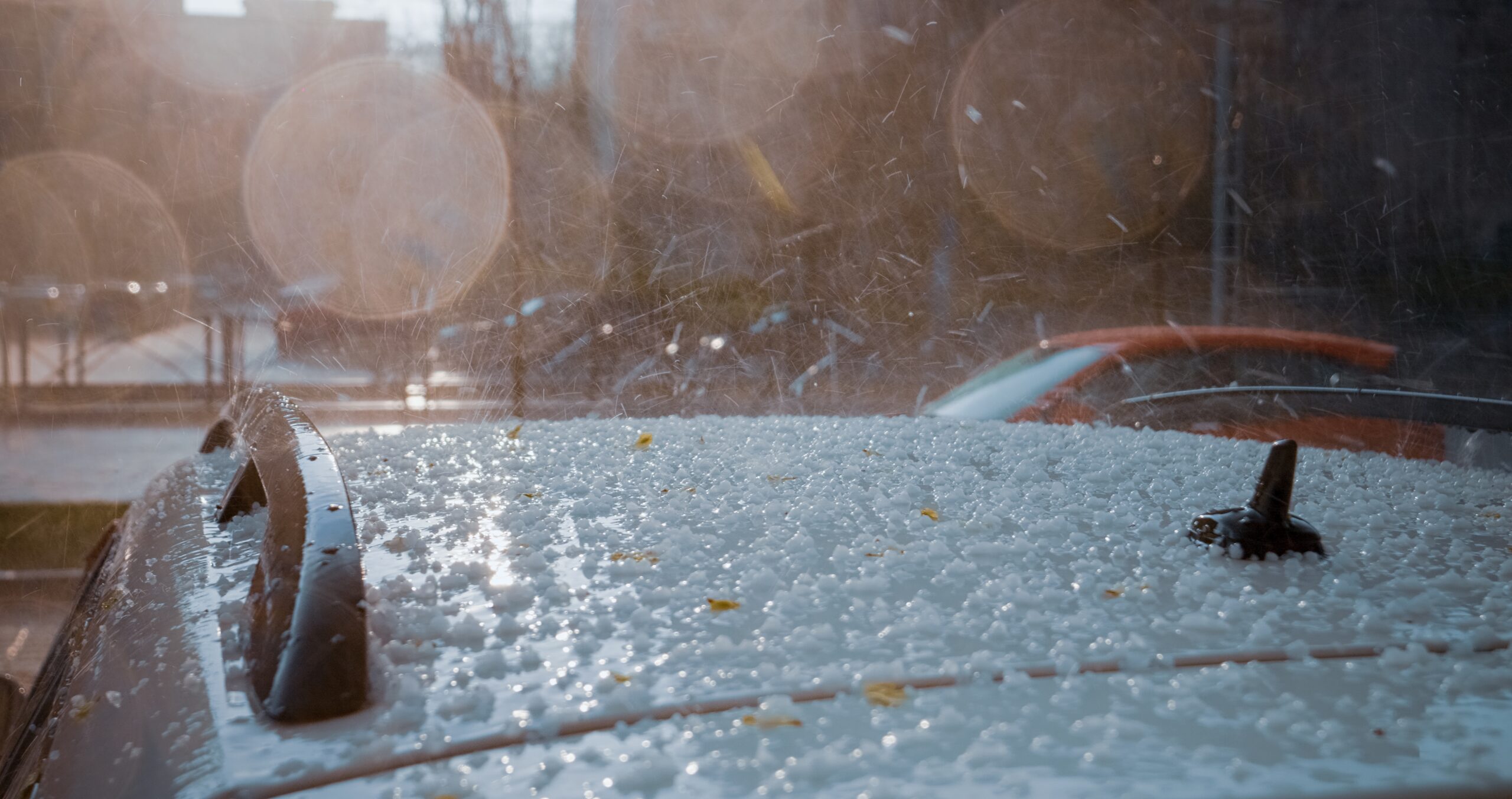
Shopping for a pre-owned vehicle in North Texas comes with a unique set of local hazards that buyers in milder climates rarely think about. Between spring supercells dropping baseball-sized ice across Collin and Denton counties and sudden flash floods turning low-water crossings along the Trinity River into lakes, thousands of vehicles across the Metroplex sustain weather damage every single year. Knowing how to check a used car for hail damage in Dallas, alongside spotting the subtle fingerprints of water intrusion, is the single best way to protect your wallet before signing a buyer’s order.
When severe weather hits the DFW area, insurance companies process tens of thousands of claims in a matter of weeks. Many of those damaged vehicles end up at wholesale auto auctions, receive quick cosmetic cover-ups, and find their way back onto retail lots across Texas. While a clean-looking exterior and a fresh coat of detail spray can hide a lot during a quick afternoon test drive, storm-damaged cars always leave clues behind if you know where to look.
Why Does North Texas Weather Put Used Car Buyers at Risk?
North Texas sits right at the southern end of Tornado Alley, making DFW one of the most active hail and severe thunderstorm corridors in the United States. A single storm system rolling through Plano, Frisco, Irving, or Fort Worth can pelt tens of thousands of parked cars in under twenty minutes. On top of hail, rapid heavy rainfall frequently overwhelms urban drainage systems, leading to street flooding in low-lying neighborhoods and highway underpasses.
When you are buying a used car after Texas storms, the biggest financial trap is not an obviously totaled salvage vehicle. Most shoppers know to walk away from a branded salvage or flood title. The real danger lies in “title washing” across state lines or private repairs paid out of pocket that never get reported to insurance databases. Even when repairs are documented, rushed body shop work can leave you with failing clear coat, hidden rust inside roof pillars, or compromised electrical harnesses that fail months after you drive off the lot.
How Can You Spot Past Hail Repair on a Used Vehicle?
Hailstones do not hit a car evenly. Because storms blow in at an angle, one side of a vehicle often takes a much heavier beating than the other. Inspecting a vehicle in bright, direct Texas sunlight is the easiest way to spot ripples, though overcast skies actually provide more even lighting across glossy paint. Stand near the front headlight and look down the length of the body panels at a sharp, shallow angle rather than staring straight at the doors.
5 Signs of Past Hail Repair
- Wavy Reflections Along Horizontal Panels: Crouch down so your eyes are nearly level with the hood, roof, and trunk lid. Look at how straight lines, such as nearby power lines, building edges, or light poles, reflect across the paint. Factory sheet metal produces crisp, unbroken reflections, while poorly repaired hail dents leave subtle ripples that distort straight lines like a funhouse mirror.
- Tool Marks Inside Body Panel Access Points: Technicians performing Paintless Dent Repair (PDR) use long metal rods to massage dents out from behind the metal. Open the hood, trunk, and doors to inspect the underside of the panels and the edges of drainage holes. Small scratches, chipped factory seam sealer, or tiny dimples pushing outward from the inside indicate that PDR rods were leveraged against the frame.
- Overspray and Mismatched Orange Peel Texture: When hail is too severe for PDR, body shops use body filler and repaint the panel. Run your fingers along rubber window trim, windshield moldings, and door jambs to feel for rough paint overspray. Compare the texture of the clear coat on the roof to the lower doors; factory paint has a uniform, fine “orange peel” texture, whereas aftermarket resprays often look overly smooth or slightly hazy.
- Unbolted or Adjusted Hood and Trunk Hinges: Severe hailstorms often require replacing the aluminum hood or trunk lid entirely because aluminum stretches and resists PDR. Look closely at the bolts holding the hood and trunk hinges in place. Factory bolts are painted smoothly over after installation, so chipped paint around the bolt heads or unpainted washer marks mean the panel was removed or replaced.
- Fresh Replacement Trim and Windshield Moldings: Heavy hail cracks plastic cowl panels at the base of the windshield, shatters sunroof glass, and pits rubber roof-rail moldings. If you are looking at a four-year-old SUV with faded plastic fender flares, yet the windshield cowl and roof trim look brand new and jet black, those parts were likely replaced after a hail event.
What Is the Difference Between Paintless Dent Repair vs Structural Hail Damage?
Not all hail history is a dealbreaker, provided the repair was handled properly and the vehicle’s structural integrity remains intact. Understanding paintless dent repair vs structural hail damage helps you separate a smart value buy from a future headache.
Paintless Dent Repair is an industry-standard technique used when hail leaves shallow depressions without cracking or chipping the paint. Skilled technicians access the backside of the panel and gently push the metal back to its original factory contour. Because PDR preserves the original factory paint, keeps the manufacturer’s corrosion warranty intact, and avoids body filler, a vehicle properly restored with PDR loses virtually none of its long-term reliability.
Structural hail damage is a completely different story. When golf-ball or softball-sized hail strikes a vehicle, it can crack windshields, shatter panoramic sunroofs, dent roof rails, and stretch the metal of the roof skin beyond repair. Replacing a welded roof panel requires cutting the factory spot welds along the windshield pillars and welding in a new roof skin. That level of invasive bodywork can compromise side-curtain airbag deployment, weaken cabin rollover protection, and create permanent water leaks if the new seams are not sealed to factory standards.
How Do You Check a Used Car for Hidden Flood Damage in DFW?
Water damage is far more insidious than hail because moisture seeps into places a detailer can never reach. Even an inch of standing water inside the cabin can submerge wiring harnesses, airbag control modules, and seat-track motors located directly beneath the carpet. Running through a thorough used car flood damage checklist in DFW before buying protects you from catastrophic electrical gremlins down the road.
6 Red Flags of Hidden Flood Damage
- Musty Odors Masked by Heavy Fragrance: Sit inside the car with the windows rolled up for a few minutes and take a deep breath. A lingering smell of mildew, damp basement air, or wet dog points directly to trapped moisture in the jute carpet padding. Be equally suspicious of overwhelming air fresheners, heavy chemical cleaners, or brand-new carpet in an older vehicle.
- Rust and Silt on Unpainted Interior Metal: Reach underneath the front seats with a flashlight and inspect the steel seat tracks, springs, and mounting bolts. Manufacturers leave these interior metal components uncoated because they are never meant to get wet. Surface rust, dried mud residue, or fine sandy silt in the seat tracks is a smoking gun for cabin flooding.
- Fogging or Water Lines Inside Exterior Lights: Walk around the car and examine the inside of the headlights, taillights, and fog lamp housings. Condensation droplets, mineral staining, or a faint horizontal waterline inside the lens show that the vehicle sat in water deep enough to breach the housing seals.
- Brittle, Stiff, or Mud-Stained Seatbelts: Pull every seatbelt all the way out to its maximum locking point. Waterlogged webbing often stiffens as it dries, and floodwater leaves behind dark water stains or trapped grit near the bottom of the spool where detailers rarely clean.
- Corrosion in the Fuse Box and Wiring Connectors: Pop the hood and remove the cover on the main fuse box, then locate the interior fuse panel under the dashboard. Look for green or white powdery oxidation on the metal fuse blades and electrical terminals. Also check the spare tire well in the trunk, where pooled water leaves rust rings around the jack and lug wrench.
- Erratic Dashboard Electronics and Warning Lights: Turn the ignition to the accessory position without starting the engine and verify that every warning light illuminates briefly and then turns off. Test every power window, heated seat, infotainment screen, backup camera, and speaker simultaneously. Flood-damaged cars frequently suffer from sluggish window motors, static in the speakers, or intermittent dashboard warning codes.
Why Are Clean Title Lease Returns in Dallas, TX a Safer Choice?
Trying to spot every subtle repair at a busy dealership lot or private seller’s driveway can feel exhausting, especially when sellers are vague about a vehicle’s past. One of the smartest ways to avoid storm-damaged auction cars altogether is to focus on clean title lease returns in Dallas, TX.
When a vehicle is leased new, the leasing company requires strict adherence to scheduled maintenance, comprehensive insurance coverage, and documented repair standards throughout the lease term. At the end of the two- or three-year contract, these single-owner vehicles are inspected for excess wear, tear, and panel damage before being remarketed. Unlike high-mileage trade-ins that bounce through multiple owners and regional auctions after severe weather, documented off-lease vehicles come with a clear paper trail from day one.
At Dallas Lease Returns, every vehicle in our inventory is hand-selected, thoroughly inspected, and backed by verified CARFAX and AutoCheck vehicle history reports. You can review the exact ownership timeline, service records, and title status before ever stepping onto our indoor showroom floor. Instead of guessing whether a used SUV spent last spring sitting in an uncovered lot during a North Texas hailstorm, you get transparent documentation and the confidence that comes with a well-cared-for, single-owner vehicle.
What Should You Do Before Finalizing Any Used Car Purchase in DFW?
Even when a vehicle passes your visual walkaround and comes with a clean vehicle history report, taking two final verification steps ensures total peace of mind:
- Request a Pre-Purchase Inspection (PPI): Have an independent local mechanic or trusted body shop put the vehicle on a lift. A technician can spot undercarriage rust, dried mud packed into frame rails, and paint thickness variations using a digital paint depth gauge in under an hour.
- Verify the VIN Across Multiple Panels: Check that the 17-digit Vehicle Identification Number on the dashboard matches the sticker inside the driver’s door jamb, the engine block, and the title paperwork. Missing VIN stickers on the hood, fenders, or trunk lid are an immediate sign that those body panels were replaced.
Taking an extra thirty minutes to inspect for hail repairs and flood indicators can save you thousands of dollars in unexpected electrical and bodywork bills. When you are ready to browse clean, documented pre-owned vehicles without the guesswork, visit Dallas Lease Returns to explore our latest selection of off-lease cars, trucks, and SUVs.